Industrial workplaces—construction sites, factories, refineries, and power plants—are essential to our economy, but they also present some of the most dangerous working conditions. When something goes wrong in these environments, the consequences are often severe and life-changing.
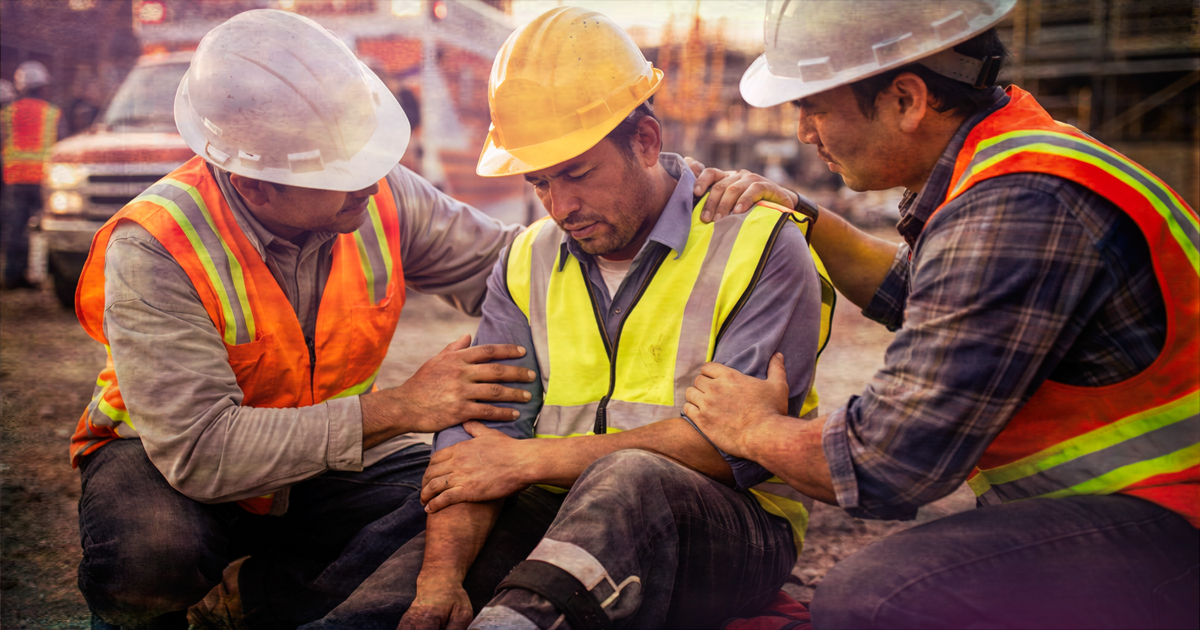
Construction workers, for example, regularly face hazards like collapsing scaffolding, crane accidents, machinery entanglement, and falls from significant heights. In manufacturing and factory settings, injuries can result from malfunctioning equipment, moving parts, forklift incidents, or exposure to harmful chemicals. Workers in refineries and chemical plants encounter risks such as explosions, fires, and toxic fumes, while those in power plants must contend with high-voltage equipment and other serious dangers.
In many cases, these injuries are preventable. Inadequate safety training, failure to follow established safety standards, or poorly maintained equipment can significantly increase the likelihood of an accident.
When Workers’ Compensation Isn’t the Only Option
After a workplace injury, most employees turn to workers’ compensation benefits for medical care and lost wages. However, that may not always be the full extent of your legal options.
If a third party—such as an outside contractor, equipment manufacturer, or maintenance company—played a role in the accident, you may be able to pursue a separate personal injury claim. These claims can provide compensation beyond what workers’ compensation allows, including damages for pain and suffering.
Real-world cases illustrate how this can unfold. In one situation, a factory worker suffered a devastating hand injury while clearing a machine jam—something he had been trained to do. It was later discovered that a company responsible for rebuilding the machine failed to ensure proper safety guarding. The worker attempted to clear the jam manually, as trained, but his hand was pulled under the guard and got crushed. Doctors ended up having to amputate several fingers. He also developed post-traumatic stress disorder. As it turned out, a company that had rebuilt the machine before the accident failed to verify that the safety guarding met industry standards. As a result, a jury awarded the injured worker a substantial recovery reflecting how severe his injuries were and how they affected his life.
In another case, a construction worker lost his life when a trench collapsed due to improper safety measures. The construction worker was working in an excavated trench at a residential construction site when an eight-foot, three-ton wall of dirt collapsed and crushed him against the concrete foundation being built. The worker didn’t survive the accident. His family sought to hold responsible the company that dug the trench. The company apparently failed to slope or “bench” the walls of the ditch to prevent cave-ins. In their lawsuit, the family obtained evidence that the company had received three citations for violating Occupational Safety and Health Administration (OSHA) standards. Rather than risk going before a jury, the company agreed to settle the case out of court, paying a significant sum to the worker’s survivors.
Long-term exposure cases can be just as serious. Workers exposed to hazardous materials like asbestos may not develop symptoms for decades, yet those cases can still result in substantial recoveries when responsibility is proven. During his years repairing ships, a worker was exposed to products containing asbestos, which causes mesothelioma. With the help of medical experts, a jury found the manufacturer of the asbestos products to blame for the worker’s harm and compensated him accordingly.
Comparative Negligence in Workplace Accidents
Workplace accidents—especially in industrial settings—don’t always have a single, clear cause. In some situations, multiple factors may contribute to an injury, including actions taken on the job. South Carolina applies a legal principle known as comparative negligence, which can affect how much compensation an injured worker is able to recover in certain types of claims.
If a third-party claim is involved, and an injured worker is found to share some responsibility—for example, by not following a specific safety procedure or working outside established protocols—their recovery may be reduced by their percentage of fault. So, if a worker is found to be 20% responsible, any compensation awarded could be reduced by that amount.
However, if a worker is determined to be more than 50% at fault, they may be barred from recovering damages in a third-party personal injury claim altogether. Because of this, thoroughly investigating the accident and clearly establishing what happened—and who is responsible—is a critical part of protecting your rights.
Steps to Protect Yourself After an Injury
If you’ve been injured in an industrial accident, taking the right steps early on can make a significant difference:
- Seek medical attention immediately. Your health is the top priority, and medical records are critical evidence.
- Report the incident. Proper documentation helps establish what happened and when.
- Be mindful of what you say. Avoid making statements that could be interpreted as admitting fault.
- Preserve evidence. Photos, witness accounts, and any available records can strengthen your claim.
- Speak with an attorney. Industrial injury cases often involve multiple parties and complex legal issues.
How The Floyd Law Firm Can Help
At The Floyd Law Firm, we understand how overwhelming an industrial injury can be—for you and your family. While you focus on recovery, our role is to investigate what happened, identify all responsible parties, and pursue the full compensation you are entitled to under the law.
With more than 100 years of combined legal experience and a history of serving the Surfside Beach and Myrtle Beach communities for over five decades, our firm is committed to providing thoughtful, thorough representation. We take the time to understand how your injury has affected every aspect of your life—and we fight to make sure that is reflected in your case.
If you or a loved one has been injured, you don’t have to navigate this process alone. We’re here to help you move forward with clarity and confidence.